Skip to content

PRE-ORDER & SAVE $101

See kits

Backed by independent research · 30-day money-back guarantee

Peer-reviewed studies back small-sided soccer — more touches, faster learning, and it’s fun at every age.

The research is about the method, not our product. SoccerYards is how you get that method in your own yard: four sides that keep the ball live, so the reps never stop.

Kits
15×3030×60
Setup
~90min
Shipping
Freein US
  • Free nationwide shipping
  • 30-day money-back guarantee
  • Setup in about 90 minutes
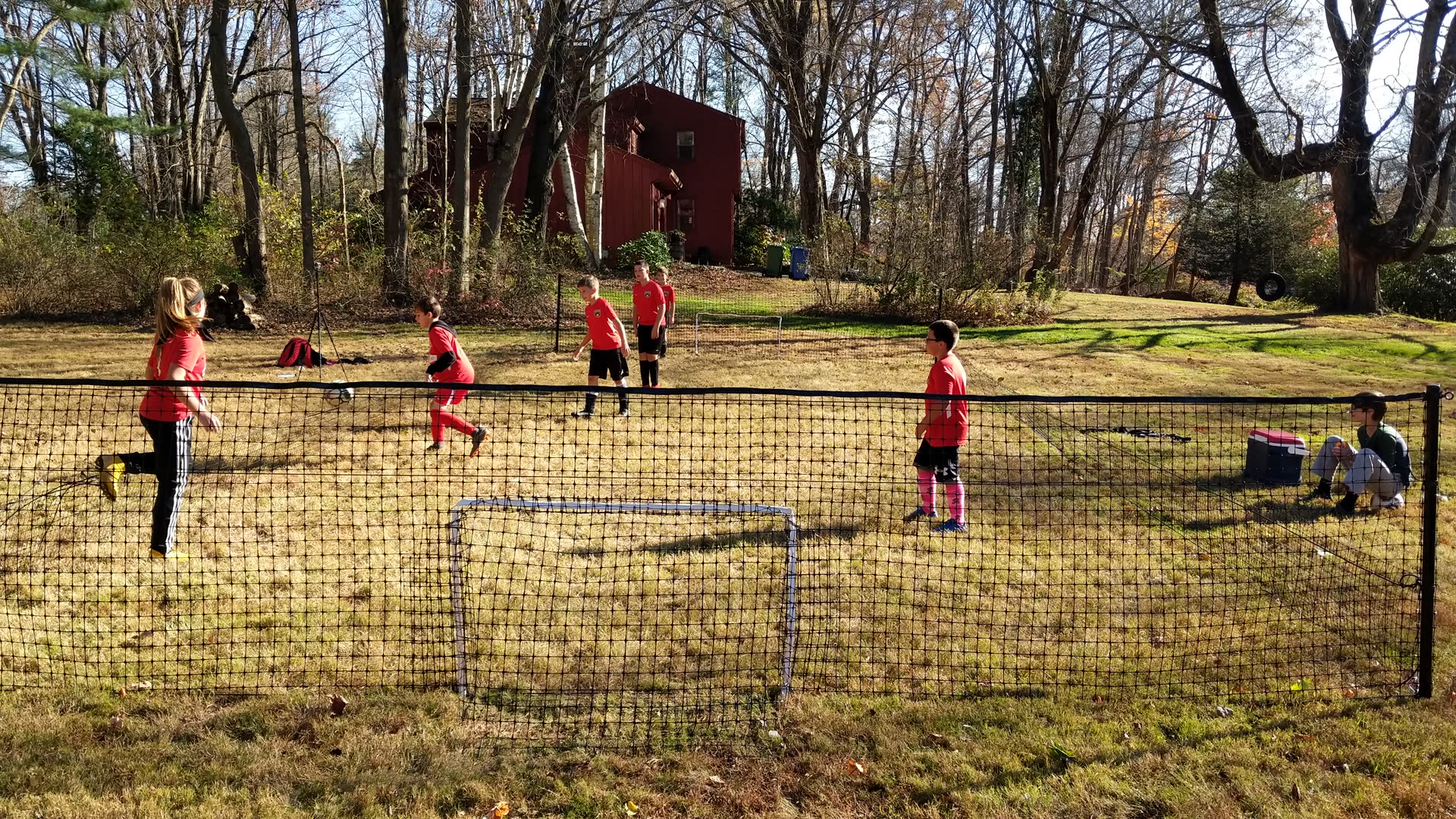
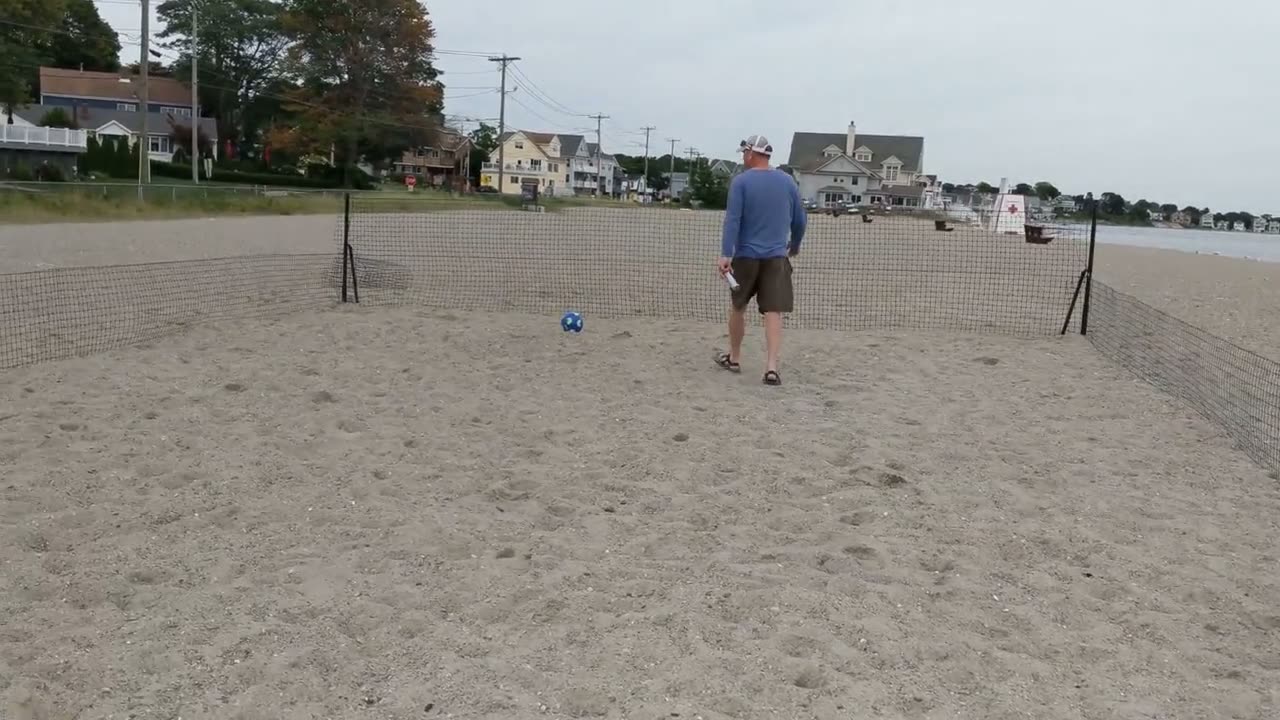
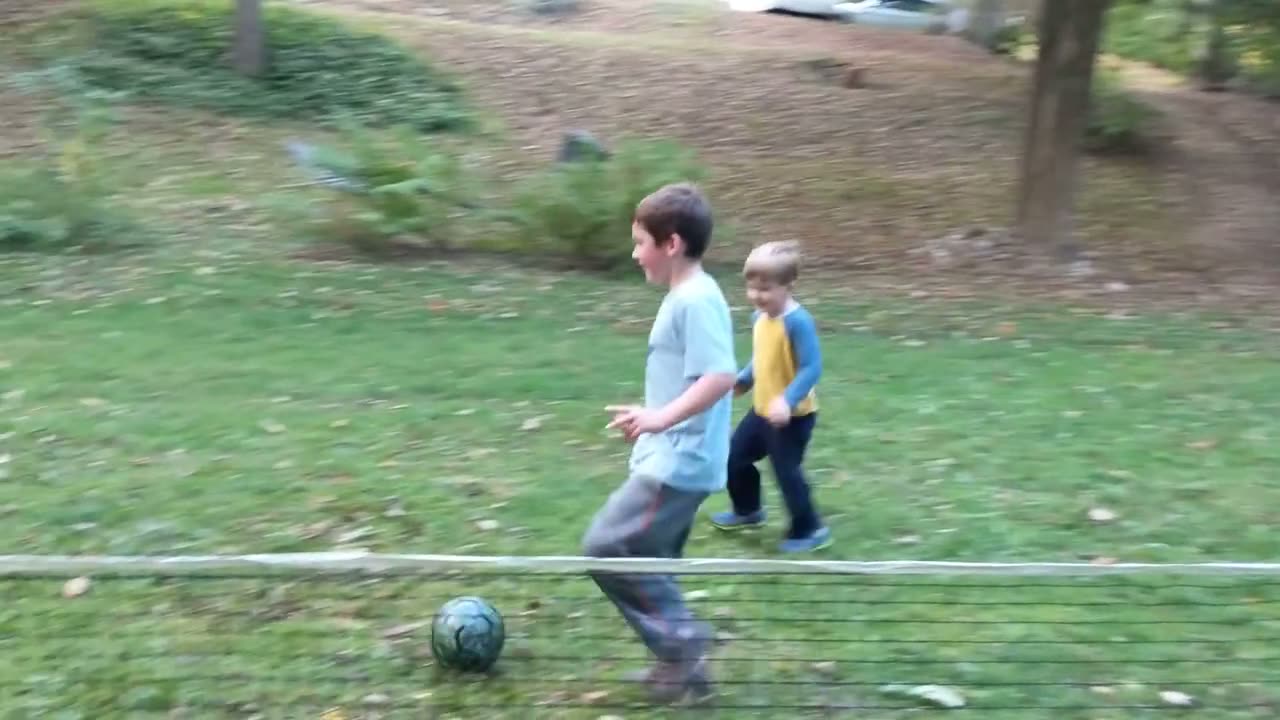
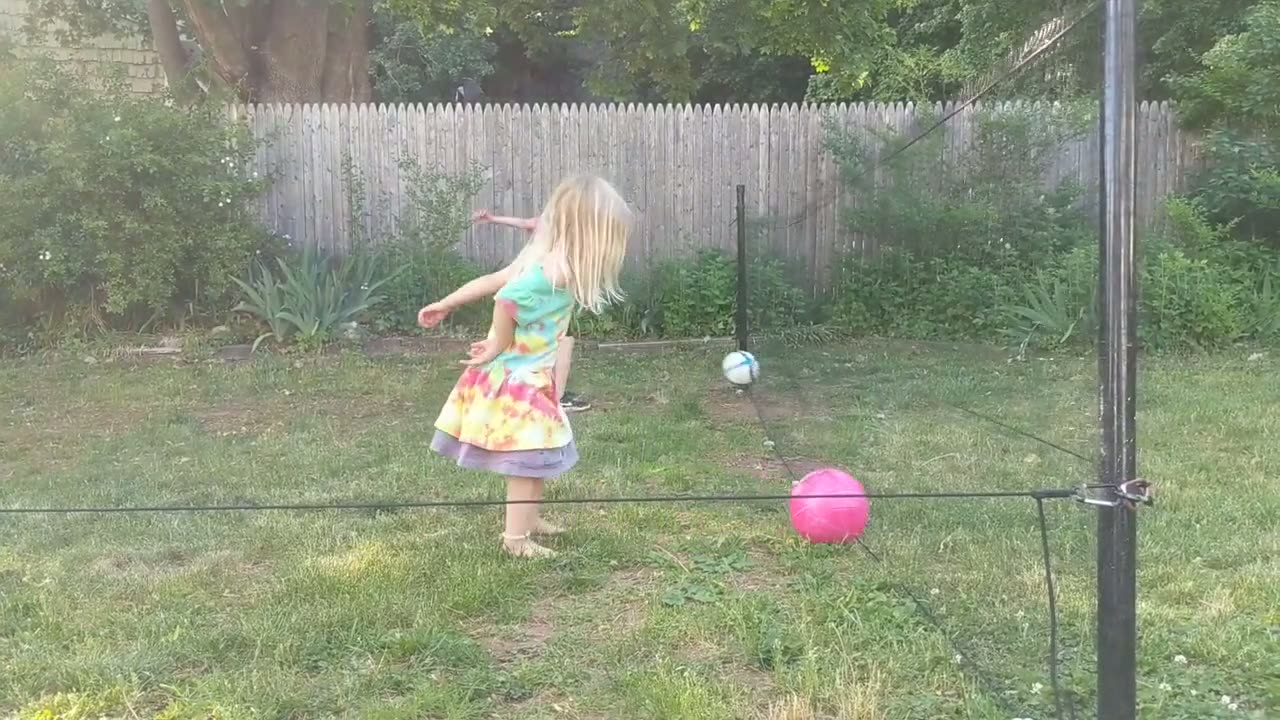
A real SoccerYards session in the owner's yard, played back at 3× speed with a running touch count. Counted across the clip: Older brother 67 touches, Younger sister 61 touches. Total 128 touches.

Counted session

Two players. One yard. Every touch counted.

This is the owner's own backyard clip, sped up 3× so you can watch a full session in half a minute. The counter runs on a frame-by-frame review of the footage — a touch is only counted when a player is clearly on the ball.

Older brother
67 touches
Younger sister
61 touches

128 touches

The average soccer player only gets 30 to 40 touches per match.[1] This one short backyard session beats a whole game's worth — without a drive, a team or a ref. Why the difference? One short backyard session, no drive, no team, no ref.

Counts come from a manual 2 fps review of this one clip and are a conservative floor, not a measured product claim. Your own numbers will depend on players, space and session length.

  1. Commonly referenced figure in youth-soccer coaching. No published source has been verified for this site, so treat it as a general reference point rather than a measured statistic.

Bring this training home

Starter · 15 × 30 ft · $749 (reg. $850)

From the players

Real voices, as they appear on the SoccerYards site.

  • I liked that I could ricochet off the wall and score.
    Young player, from the SoccerYards site
  • It’s a great, friendly kid game.
    Young player, from the SoccerYards site

Independent research

The method is well studied. We just make the space.

See all the research

These are independent third-party studies of small-sided soccer training in general. They are not sponsored by SoccerYards, were not conducted on SoccerYards fields, and do not test this product. Most of the studies below were carried out with youth players; product suitability for other ages is our positioning, not a research finding. Individual results vary by player, age and effort.

Real installs

One backyard, a mallet and an afternoon

See the full album
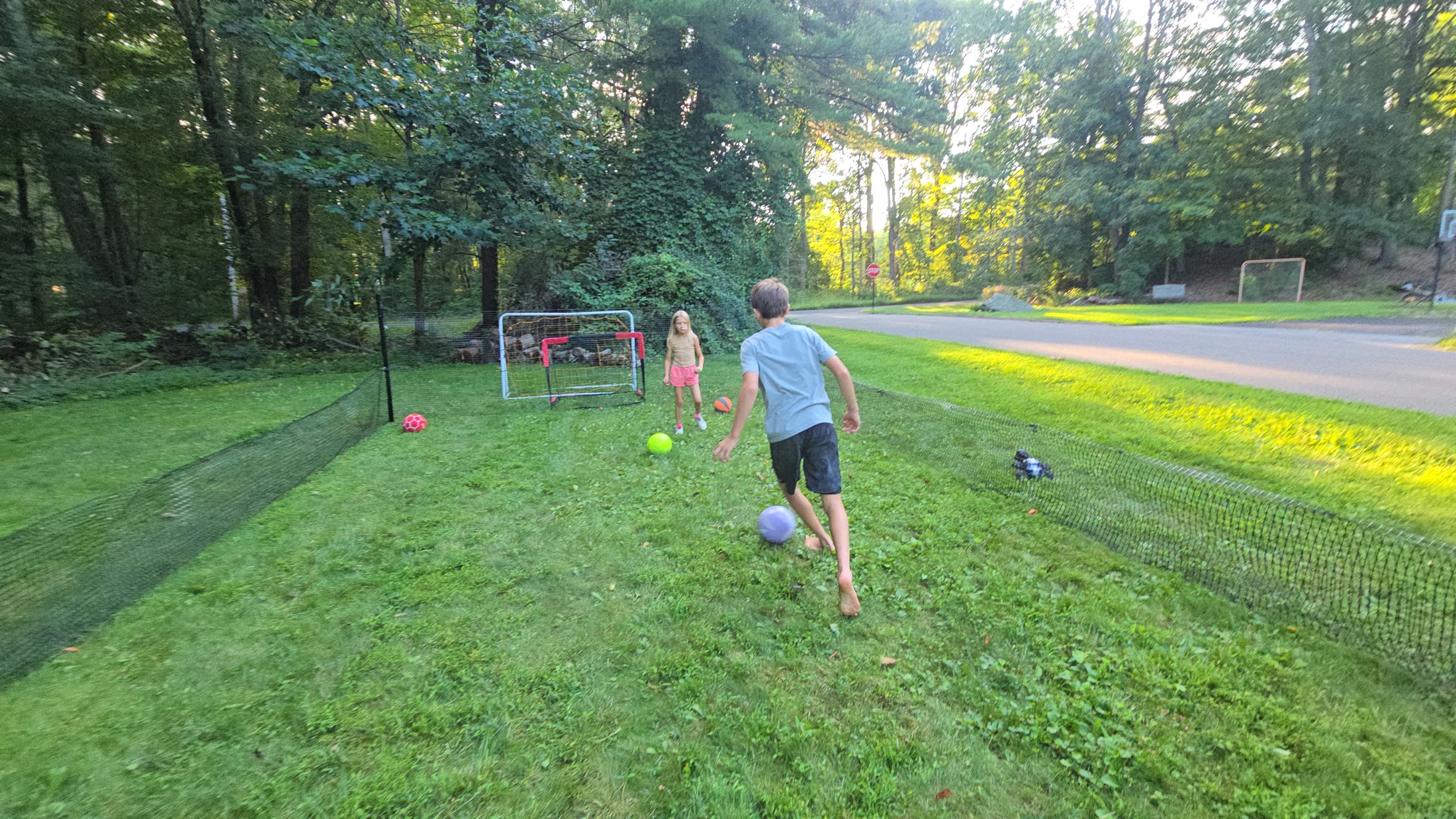
  • A boy running onto a ball inside a netted backyard field at golden hour while a girl waits by the goal
    Golden-hour game inside the net
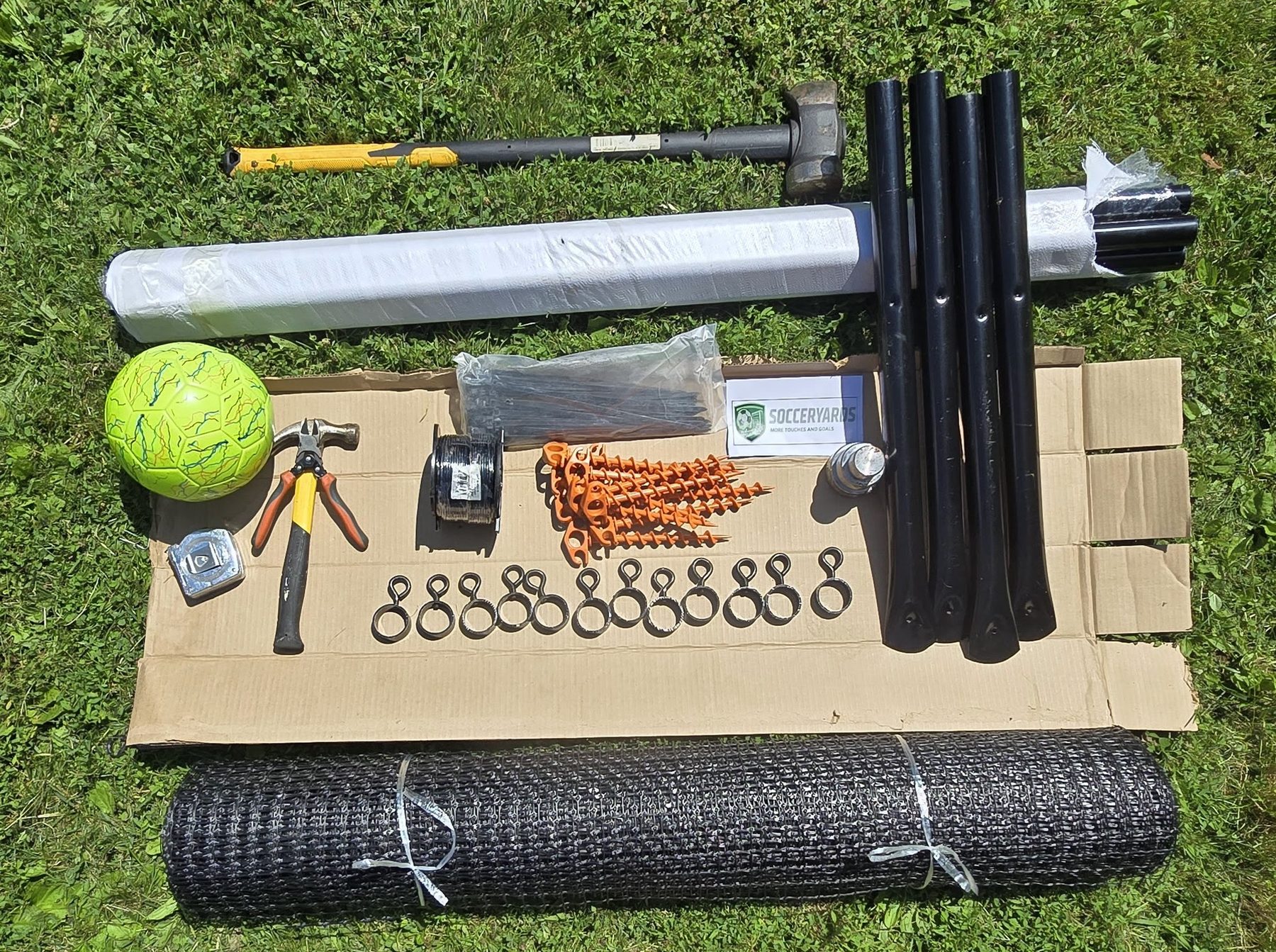
  • The full SoccerYards kit laid out on flattened cardboard in a mown backyard: black posts, a rolled wall panel, orange ground anchors, washers, a mallet and a ball
    The whole kit, laid out before the build
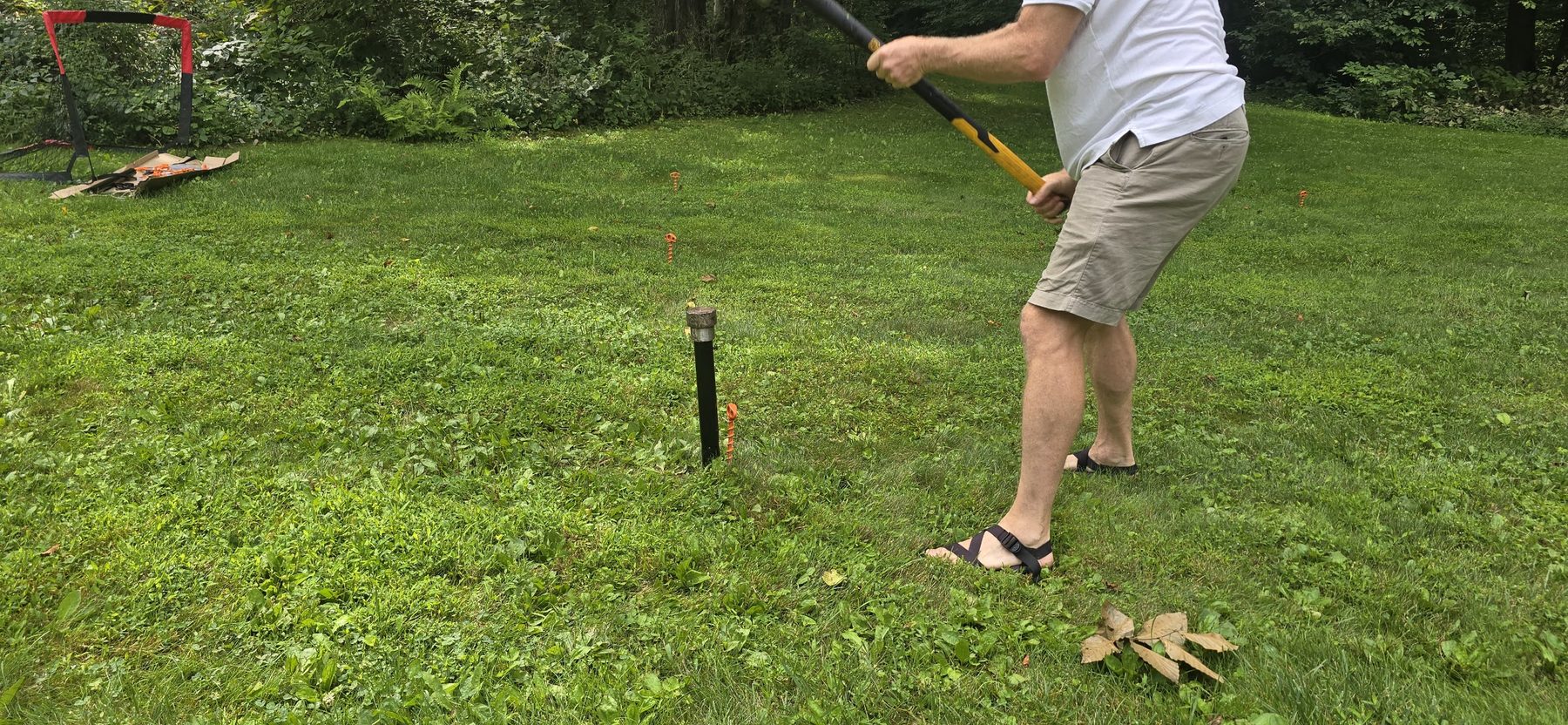
  • A man swinging a sledgehammer to drive a black ground sleeve into the lawn, orange markers running away behind him
    Driving a ground sleeve
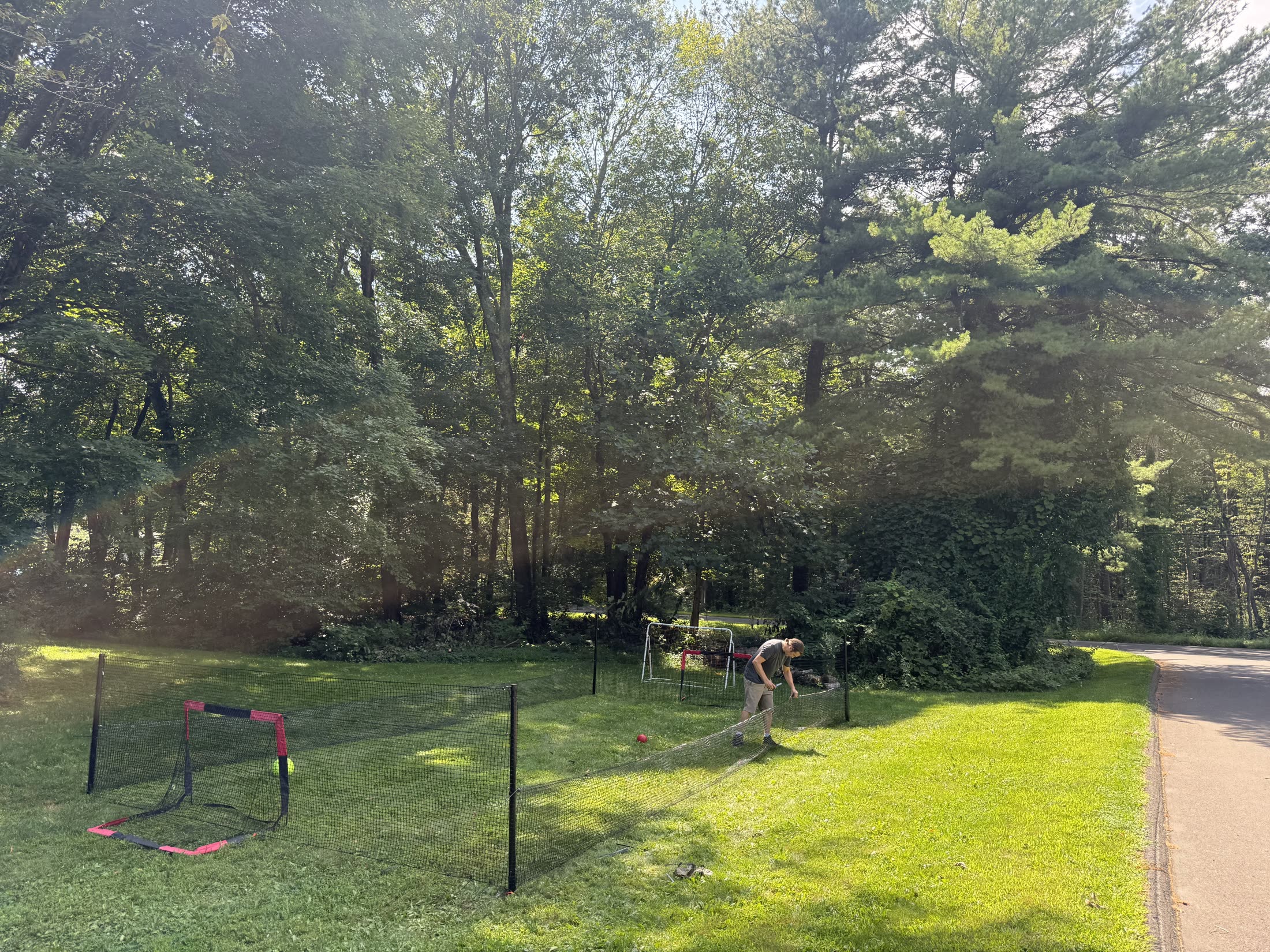
  • A man threading black perimeter netting onto a post along the edge of a sunlit lawn, with two small red-and-black goals already set up inside the enclosure
    Threading the perimeter netting
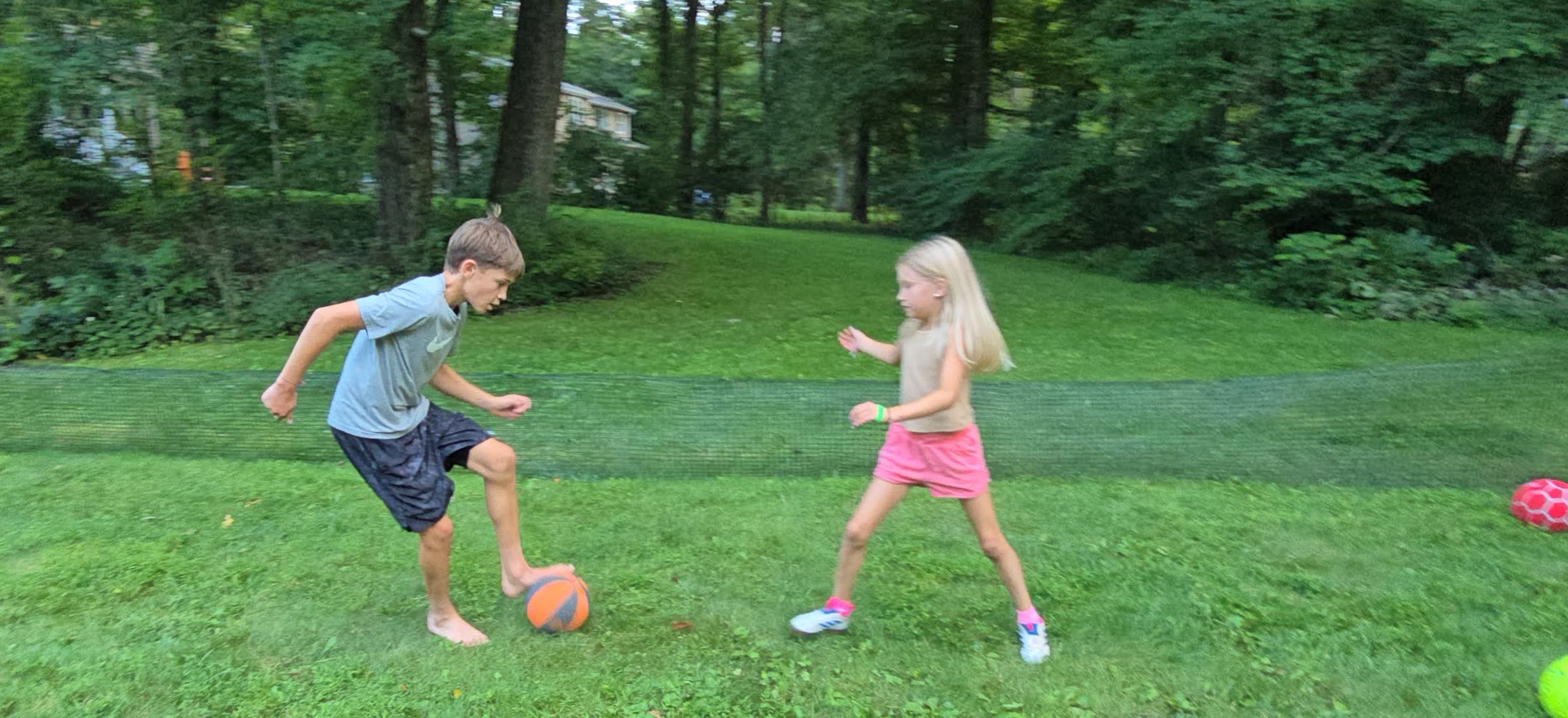
  • A boy shielding an orange ball from a girl closing him down, the perimeter net running behind them
    One-v-one, striker against defender
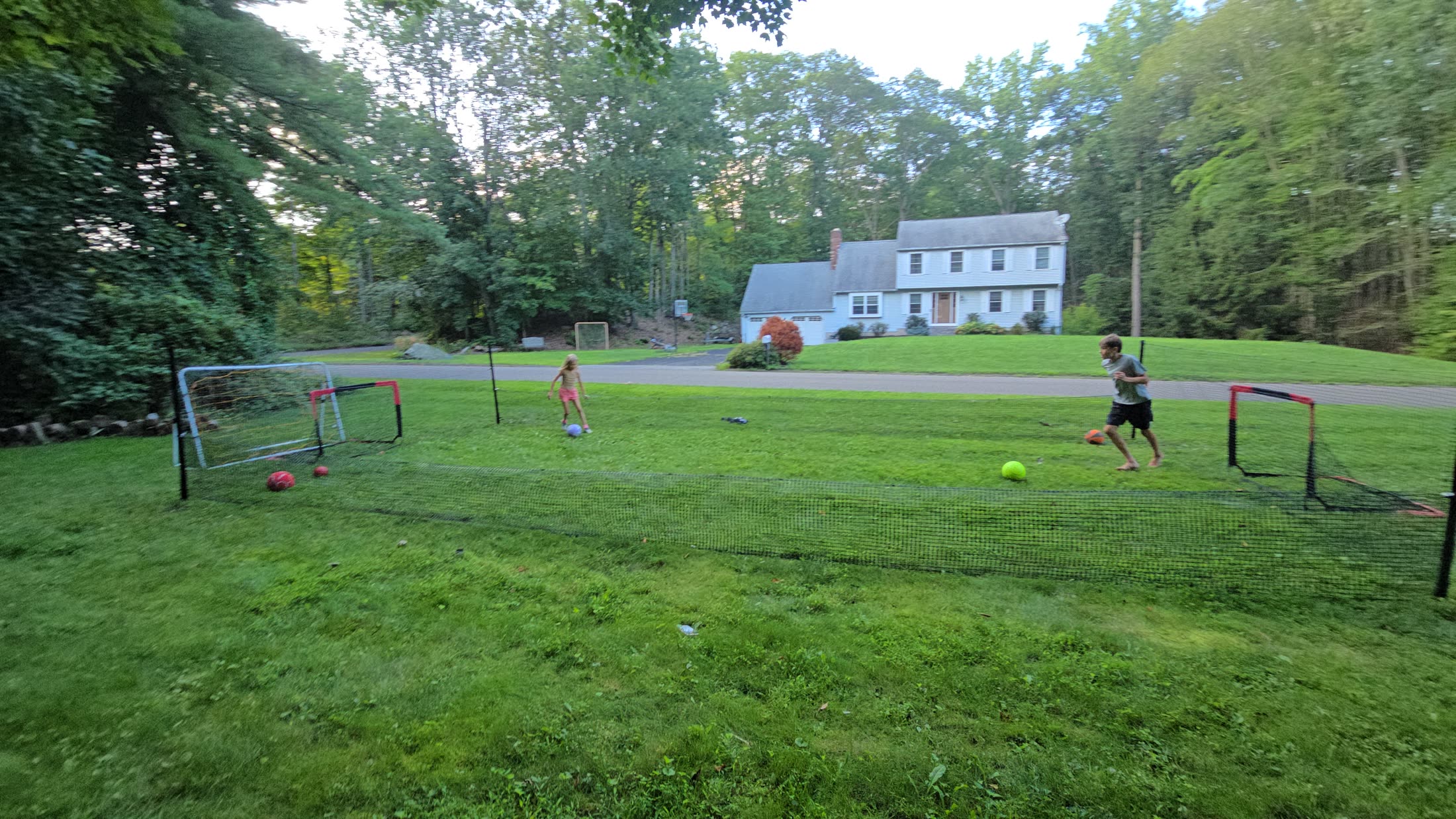
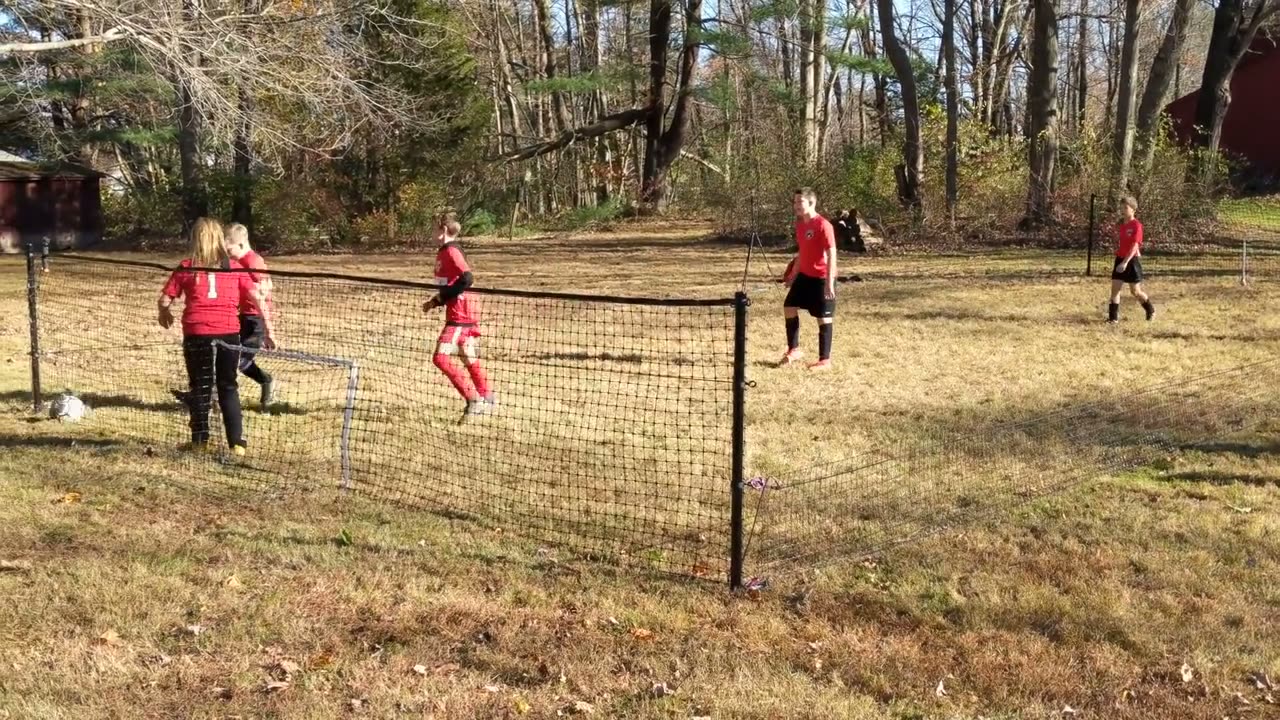
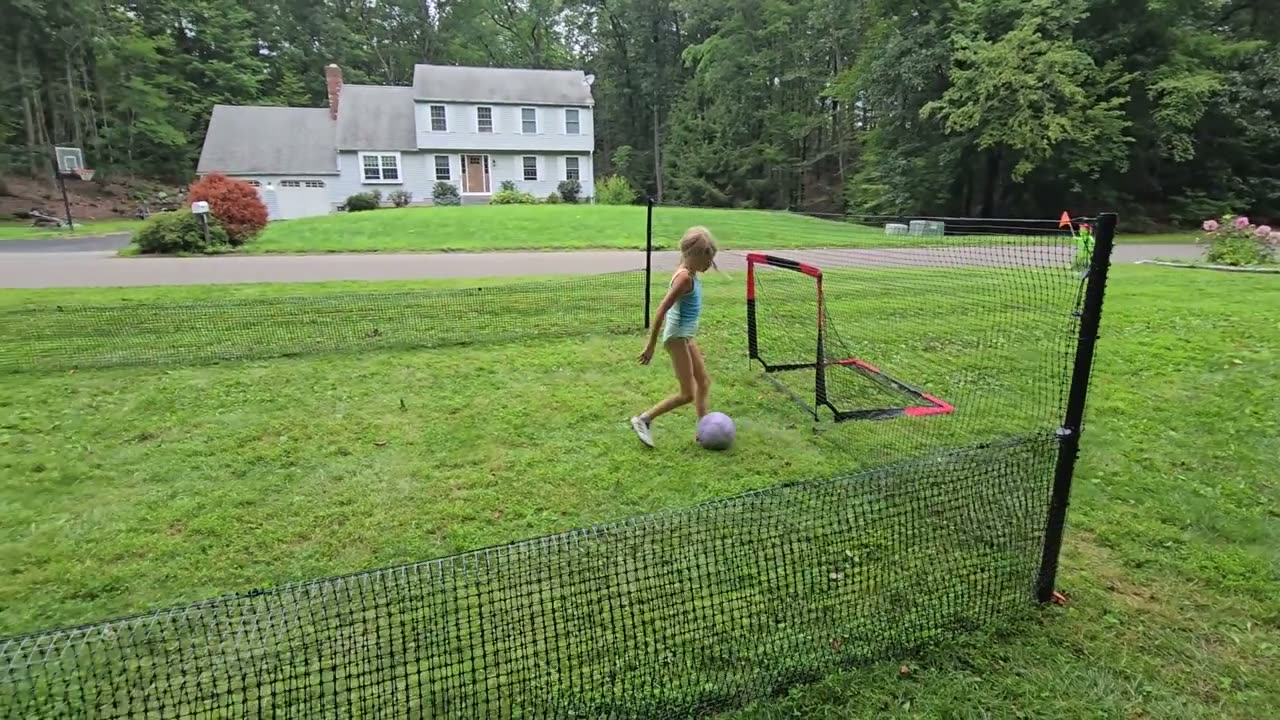
  • Wide view of the finished enclosed field with goals at both ends and two children playing, a house beyond the road
    Goals at both ends, ball stays in

Choose your field

Two ready-made fields, or one built to your yard

Same four-sided wall system, same install method. The only real question is how much room you have, how many players you want on it, and whether your space needs a custom build.

Children playing a backyard game inside a SoccerYards field with wall panels keeping the ball in play

15 × 30 ft

SoccerYards Starter

The backyard field

A 15 × 30 ft walled field built for real backyards. Enough room for 1v1 and 2v2 that never stops.

$749$850Save $101
  • Families who want a game after dinner
  • Solo reps: first touch, finishing, rebounds
  • Siblings and neighborhood 2v2
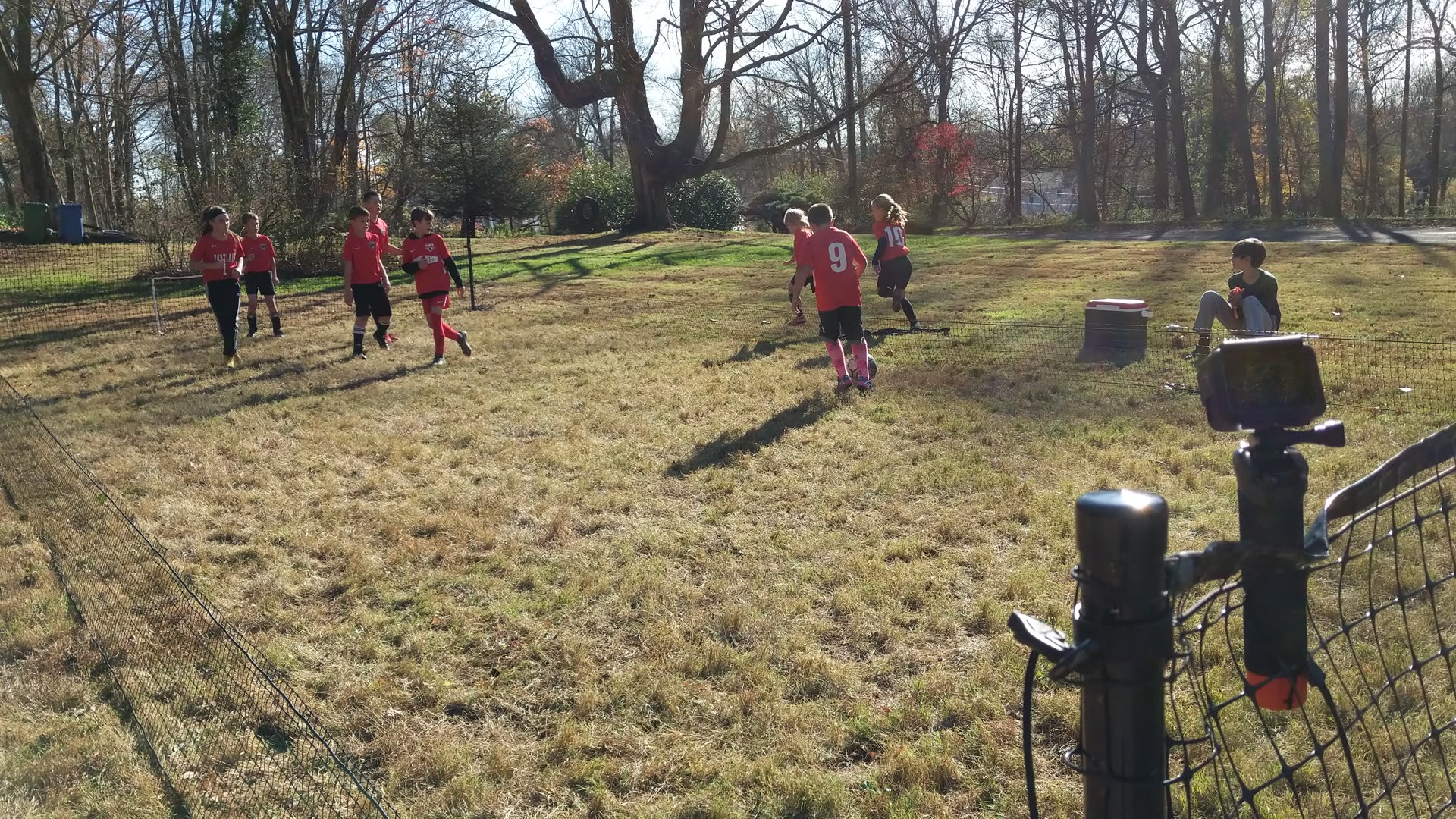
A coach running a small-sided session on a SoccerYards field

30 × 60 ft

SoccerYards Pro

The training arena

A 30 × 60 ft walled field for larger yards, coaches and serious players. Built for 3v3, 4v4 and small-group sessions.

$2,499$2,600Save $101
  • Coaches running technical stations
  • Camps, academies and rec programs
  • Households with a big yard and a big roster
Side-by-side comparison of the Starter and Pro SoccerYards fields
SpecStarterPro
Field size15 × 30 ft30 × 60 ft
Enclosure90 linear ft180 linear ft
Footprint450 sq ft1,800 sq ft
Wall height4 ft ends / 2 ft sides4 ft ends / 2 ft sides
Players2–4 players4–8+ players
Formats1v1, 2v21v1, 2v2, 3v3, 4v4
Best forBackyards and smaller spacesLarger yards, coaches, clubs and camps
Price$749 (reg. $850)$2,499 (reg. $2,600)

Custom size

Build the field your yard actually is

Any four-sided enclosure over 200 linear feet can be built to your measurements. Pricing runs $10 to $12 per linear foot of enclosure — taller walls and larger enclosures sit at the top of the range and include professional installation.

  • Every SoccerYards field is four-sided — the ball stays live on all four walls.
  • Wall height and enclosure size decide where you land in the $10–$12 range.
  • Larger and taller builds include professional installation.
  • Available on any enclosure over 200 linear feet.

Enclosure: 240 linear ft · 3,200 sq ft · 4 sides

$2,400$2,880

This is an estimate for planning only, not a quote. Final pricing depends on wall height, site conditions, access and installation, and is confirmed in writing before any order.

Why it feels different

The ball never leaves. So the session never stops.

An open yard ends a session every time the ball rolls away. Four walls send it back. That one change turns practice into a loop that keeps running.

  1. 01PassPlay it into the wall at any angle.
  2. 02ReboundThe wall returns the ball instead of the street.
  3. 03ReceiveKill it, turn, take the next touch.
  4. 04ShootFinish. A miss comes straight back off the boards.
  5. 05RepeatNo walking, no fetching, no reset.

Less time retrieving the ball means more of the session is spent playing. How much more depends on the space, the players and the session.

See how it works
PassReboundReceiveShoot
Inside four walls the ball keeps coming back: pass, rebound, receive, shoot, repeat.

Night Striker

The game doesn't have to end when the sun goes down

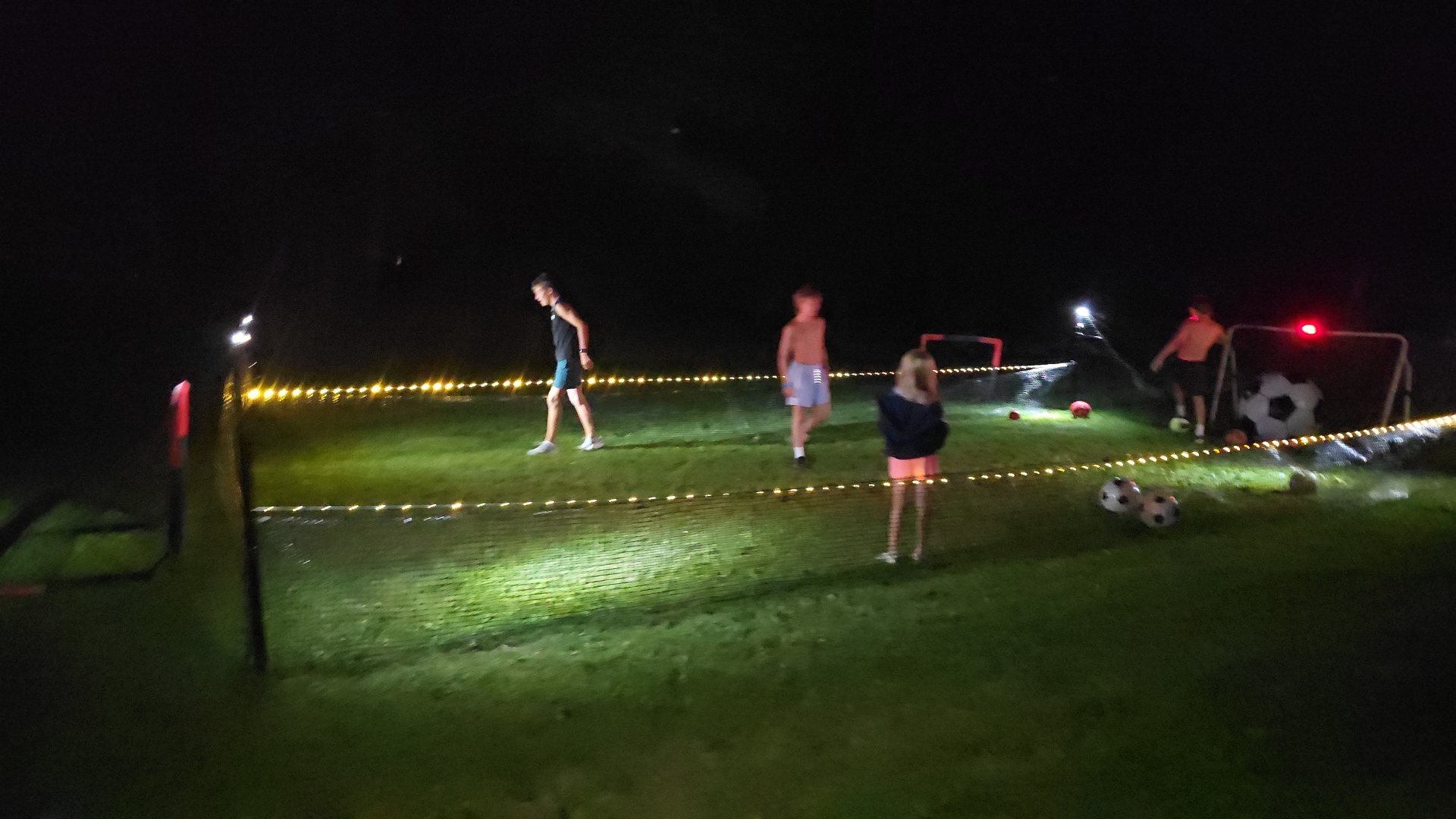
Lights on, walls up. The ball stays live off the boards, so a session that starts after dinner runs as long as the players do.

CC · Descriptive

Night session under the lights

  • Practice after school and after work, not just on weekends.
  • Rebound walls keep the ball in the light instead of the dark hedge.
  • Same field, second shift — no drive, no booking, no floodlit pitch to rent.

Owner-supplied footage of a lit backyard field after dark: string lights along the walls, floodlights on the grass and the ball staying live off the boards.

Captions on this clip describe what happens on screen. There is no spoken dialogue transcript. Sound is off until you turn it on.

Kids playing soccer at night inside a SoccerYards walled field lit by string lights
Night session on the walled field — the game keeps going after dark.

Why walls change everything

An open yard ends the game.
A walled field keeps it going.

The average soccer player only gets 30 to 40 touches in a full match. Inside a walled field, touches stack up from the first minute — one short session can top a whole game's worth.

5× the touches is how we describe that difference. “5×” is SoccerYards brand language describing continuous play inside four walls, not a measured study result.

See how it works
  • The ball stays live

    Walls turn every miss into a rebound. No stoppages, no fetching the ball from three yards down the street.

  • Built for the space you have

    Two field sizes, and panels that can be cut to run around trees, slopes and fence lines.

  • Playable in about 90 minutes

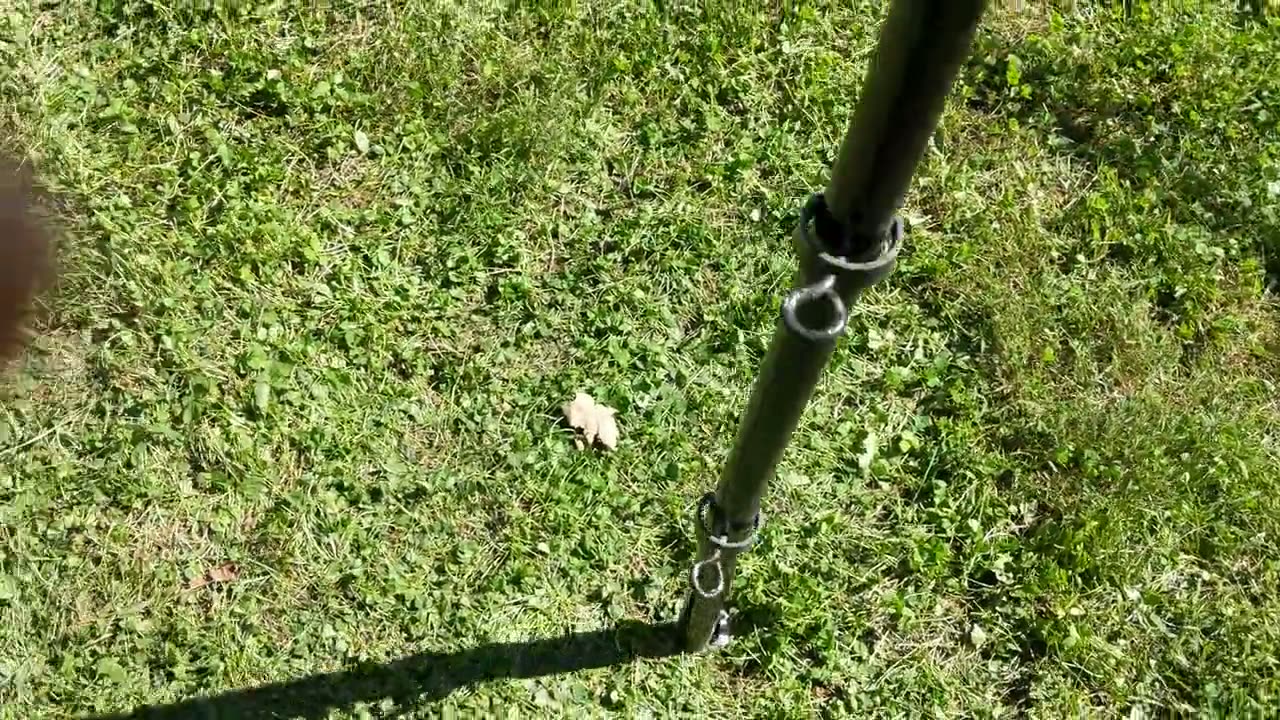
    Ground sleeves instead of trenches and concrete. Unbox, sleeve, post, panel, play.

  • No more broken windows

    The field contains the game, so the yard, the neighbors and the flower beds all survive it.

For every age in the house

One field. Every kid. Years of practice.

A SoccerYards field isn't outgrown in a season. Little ones learn their first touch, older kids sharpen finishing and defending, and siblings of different ages play each other — at home, day or night.

  • All ages, same field

    Walls and goals scale the game: a six-year-old's first touches and a teenager's finishing reps happen on the same pitch, often at the same time.

  • Several kids at once

    Small-sided games mean brothers, sisters and friends all get touches — nobody waits in line for a turn the way they do at a drill.

  • Day or night, at home

    No drive, no schedule, no session fee. The field is in the yard, so practice happens whenever the kids do — including after dark.

  • Years, not a week

    A camp ends on Friday. A field in the backyard keeps delivering touches season after season as each kid grows into it.

Train a striker or defender at home for the cost of one week of soccer camp — except the training doesn't end on Friday. It stays in the yard for years.

One minute

The install, start to finish

A one-minute chaptered film cut from the owner's own install album — unbox, measure, mark, set the sleeves, build, play. Silent.

Edited from a real SoccerYards install: six chapters, unbox to first game.

Watch all the clips

Thirty seconds in the yard

Empty lawn to enclosed yard

A 30-second cut of a real SoccerYards day, edited from the owner's own phone clips: kit out of the box, sleeves in the ground, four sides up, first touches on the finished field. Silent.

Audio: on-field play and family conversation. No narration.

See it in play

Full clip from the SoccerYards site: families and players using the wall system for continuous small-sided play.

Footage from the SoccerYards site.

Who plays on it

Built for the backyard. Good enough for the session plan.

Children playing a backyard game inside a SoccerYards field with wall panels keeping the ball in play

Families

A game that starts the second someone walks outside — and doesn't stop to hunt for the ball.

For families
A coach running a small-sided session on a SoccerYards field

Coaches & clubs

Rebound walls, tight spaces and high repetition. Small-sided stations that run themselves.

For coaches

From the players

The review that matters most is the one from the kid

Clips and quotes as they appear on the SoccerYards site.

Quote as recorded on the SoccerYards site: “I liked everything.”
I liked everything.
Young player, from the SoccerYards site
Quote as recorded on the SoccerYards site: “I liked that I could ricochet off the wall and score.”
I liked that I could ricochet off the wall and score.
Young player, from the SoccerYards site
Quote as recorded on the SoccerYards site: “It’s a great, friendly kid game.”
It’s a great, friendly kid game.
Young player, from the SoccerYards site

A training tool, not just a toy

The fastest reps a player can get is the yard they already have.

Skill comes from repetition against a live ball. An enclosed four-sided field removes the two things that end backyard sessions — the ball leaving the yard and nobody to pass it back.

Training outcomes vary by player, age and effort. SoccerYards describes what an enclosed field makes possible, not a guaranteed result. “5×” is SoccerYards brand language describing continuous play inside four walls, not a measured study result.

  • Striker work

    First touch, turn, shoot, rebound, finish again. The wall returns every miss, so a player can take shot after shot without stopping to fetch.

  • Defender work

    Tight spaces force real 1v1 defending: body position, jockeying, blocking the shooting lane and clearing under pressure.

  • Scoring goals

    Goals at both ends turn every drill into a game. Finishing gets practiced the way it actually happens — at speed, off a rebound, under pressure.

  • Fun that repeats

    The best training is the session a kid asks for. Nonstop play is the reason they go back out after dinner instead of once a week.

  • Drill library · 4-week plan · progress tracker · touches calculator

    Ten striker and defender drills with animated setups, a printable month of sessions, a session tracker and the touches-per-session calculator — all on one page.

    See the drills

PRE-ORDER & SAVE $101

Put a real field where your yard is

Your card is charged today and your kit ships in 90 days or less. Set it up, play on it, and if it doesn’t deliver the nonstop action and extra touches you’re expecting, reach out and we’ll make it right.